Scented Candles That Add Ambiance Without Toxins
What you might not know about scented candles
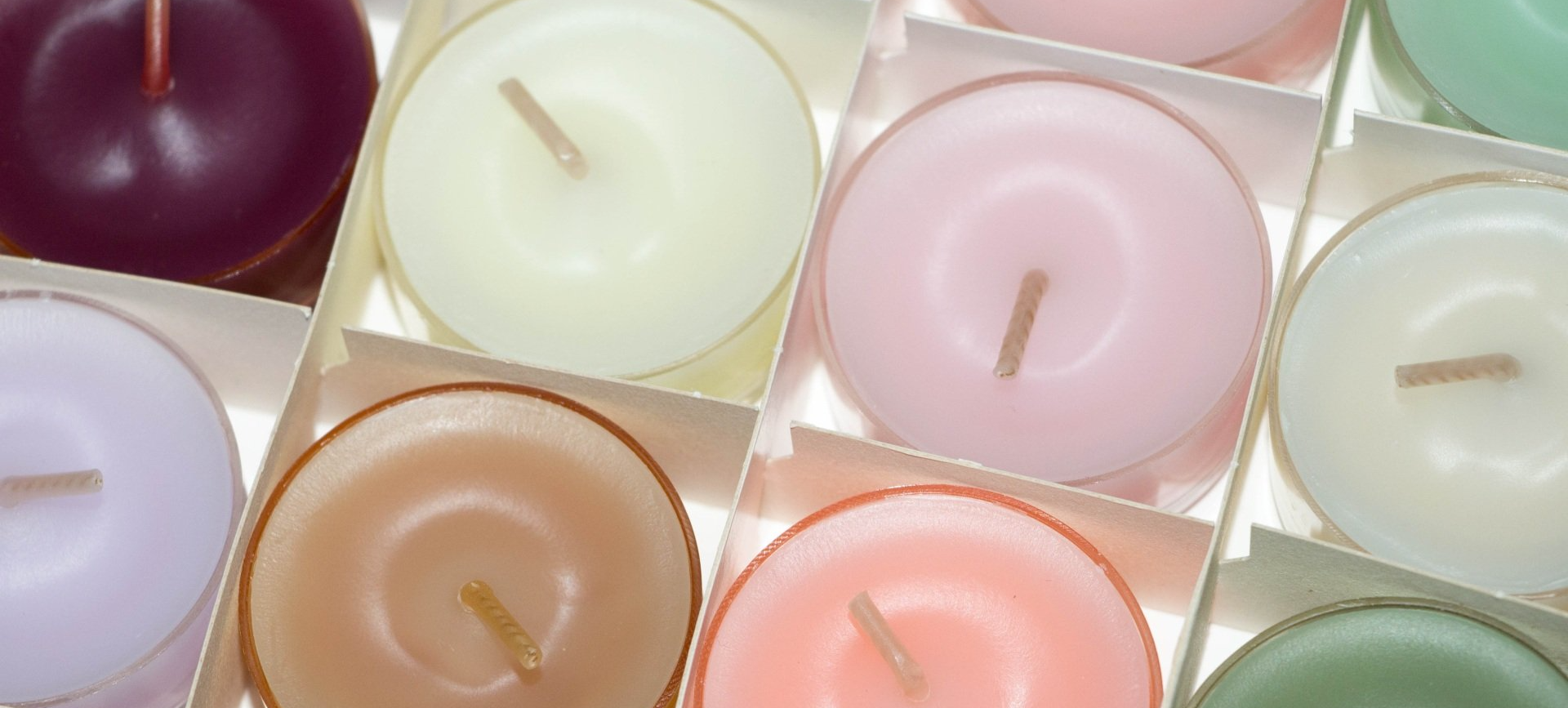
The scents of a fresh-baked cookie, an ocean breeze, or a dense pine forest are awesome. However, filling your home with these scents may not be doing your indoor air quality any favors.
WARNING: Wicks, Wax, Synthetic Waxes, and Dyes
Scented candles are a great way to add ambiance to any room and make it feel more welcoming. Unfortunately, these scented candles often come with toxic chemicals that can be harmful to your health. Here is what you need to know before buying another scented candle:
Wick
The most common type of wick is cotton or a paper-cotton combination. That sounds harmless, but you need to pay careful consideration to the core of the wick. Have you ever tried to light a limp wick? It’s not easy. That’s why some manufacturers braid cotton/paper around a tin or zinc core to prop it up. This is commonplace with scented candles. The chemicals used to make those pleasing aromas soften the wax, which causes the wick to droop, necessitating the need for a rigid material.
The National Candle Association advises consumers that studies have shown zinc and tin wicks to be safe. But why put your health at risk when there are safer alternatives?
Alternatives: Look for candles with a wicked core of cotton or paper as safer bets.
Wax
The main ingredient in most candles is paraffin wax, which is made from petroleum byproducts. It’s bleached, deodorized, and then mixed with other ingredients before being poured into a jar or vase for use as a candle. But it’s not all good news here - paraffin releases volatile organic compounds (VOCs) such as benzene, acetone, and toluene that have been linked to allergies and cancer. Plus it contains some of the same toxins found in diesel fuel.
You don’t need to light a candle in order to risk your health. One study found that some scented candles gave off dangerous fumes even before the flame touched it.
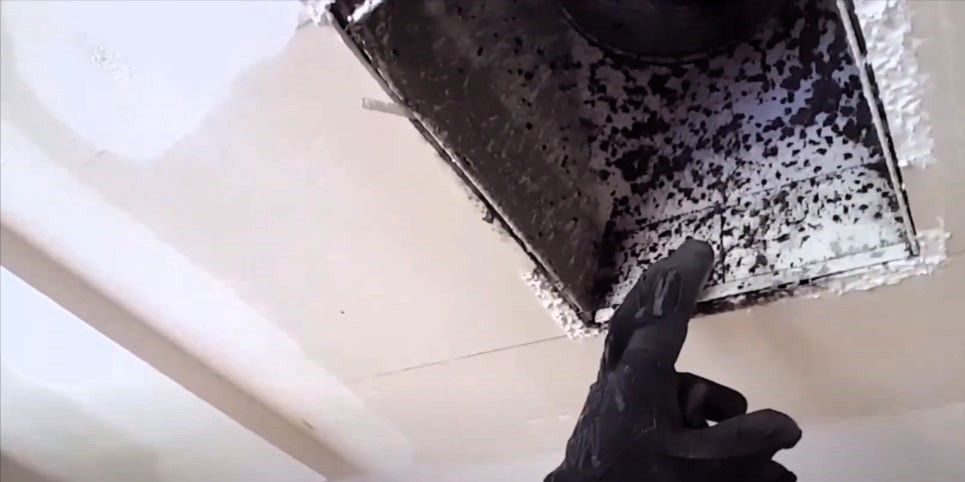
There is also the problem of soot. Conditions such as asthma, lung or heart problems can be aggravated by soot.
Alternatives: Candles made of 100% beeswax will help allergies and hay fever. This is not true for soy candles, but they are a good choice if you want something natural. Beeswax and soy candles are more expensive than paraffin candles, but they are worth it because they last longer. Other popular options include coconut, vegetable oils, and rice wax.
Fragrances
Do you know that pine smell you get when you light a candle? Yeah, well it’s not actually all-natural. It turns out that fragrances are made with synthetics and dyes which emit VOCs such as formaldehyde, which can cause dizziness, headaches, respiratory problems among other side effects.
Alternatives: Many candlemakers do not tell you what is used in the fragrance. This can be true for natural alternatives, such as soy. However, makers of nontoxic candles usually show ingredients on their labels and you can find many scents that are naturally made. 100% beeswax candles also give off a sweet honey scent and they are better for your health.
Or forego candles entirely
There are other ways to add pleasing smells to your house. These may include potpourri, which has no wicks or wax. It just smells good with flowers, herbs, leaves, and oils that you can put inside a pot or jar. You can also make it yourself so it is clean and nothing will be harmful for you to breathe in.

Grand Rapids Duct Cleaners
You might also like