HVAC Air Filters: How Often Should You Change Them?
Your HVAC filter has an important job: capturing particles as air passes through your heating and cooling system.
But how often should you actually change it?
You've probably heard rules like “every 30 days” or “every 90 days.” Those can be useful starting points, but there isn't one replacement schedule that's right for every home.
The right interval depends on the filter, your HVAC system and conditions inside your home.
A better approach is to check your filter regularly and replace it when needed, while following the recommendations for your particular HVAC equipment and filter.
Here's what homeowners should know.
What Does Your HVAC Air Filter Actually Do?
Your HVAC system continuously moves air whenever the blower operates.
On a typical residential system, return air passes through a filter before reaching HVAC components and being recirculated through the home.
The filter captures some of the particles carried in that air.
Depending on the filter, those particles can include:
- Dust
- Pollen
- Pet hair and dander
- Fibers
- Other airborne particles
The filter also helps protect HVAC equipment from excessive particle buildup.
But filters aren't all the same.
Their size, construction, efficiency and resistance to airflow can vary considerably.
That's why choosing a filter involves more than finding one that physically fits the opening.
How Often Should You Change Your HVAC Filter?
There isn't a universal schedule.
Filter manufacturers may provide a recommended replacement interval, but real-world conditions can cause a filter to load faster or slower.
Factors include:
- The type and thickness of the filter
- How frequently your HVAC system runs
- Number of people in the home
- Pets
- Smoking
- Nearby construction
- Remodeling inside the home
- Outdoor air conditions
- How much dust and debris enters the house
Instead of relying exclusively on a calendar, inspect the filter periodically.
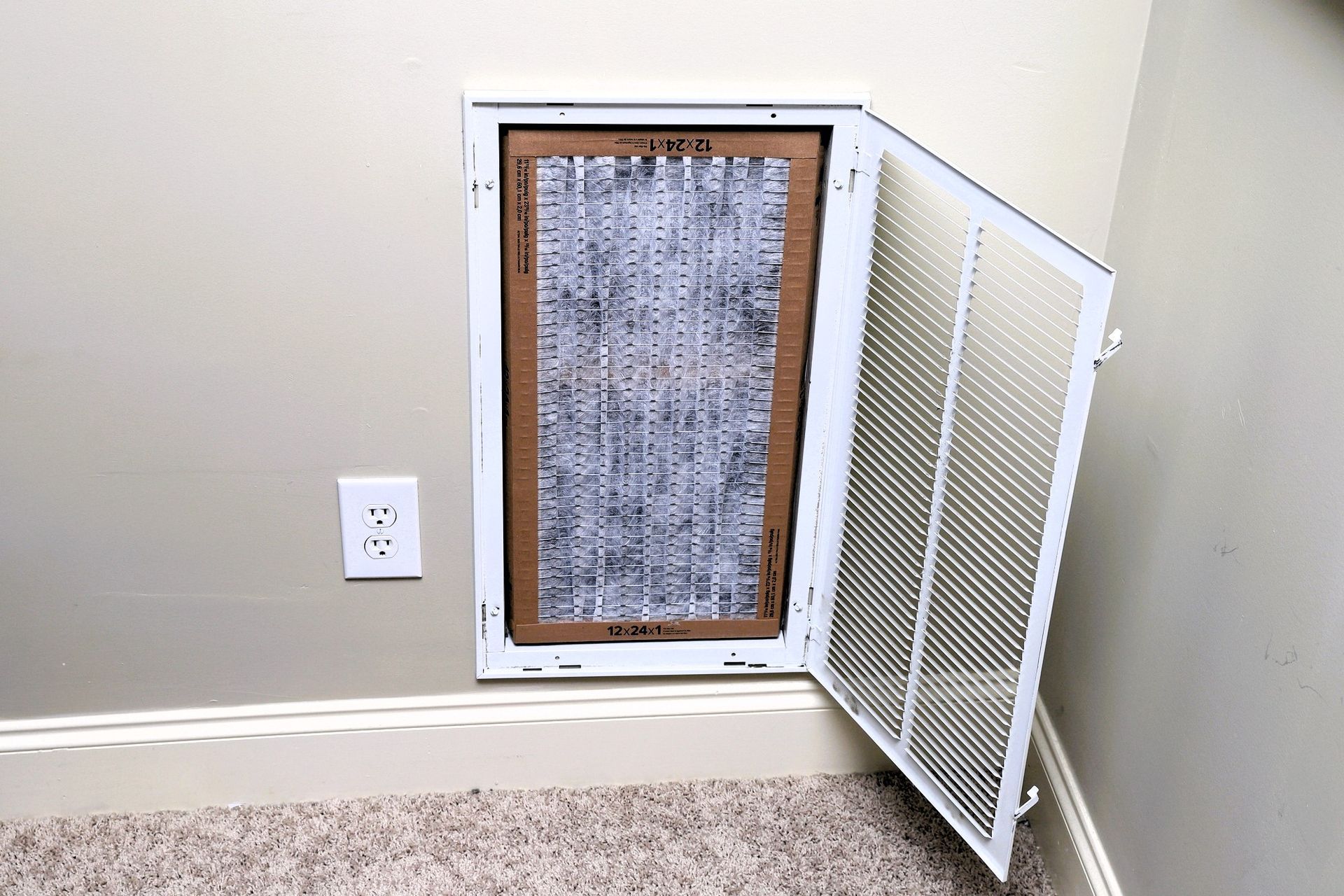
If it's visibly loaded with dust and debris, it's probably time for replacement even if you haven't reached the manufacturer's suggested interval.
Likewise, some higher-capacity filters are designed to remain in service considerably longer than inexpensive 1-inch filters.
Follow the recommendations for both the filter and your HVAC equipment.
Signs Your Air Filter May Need to Be Changed
The easiest sign is also the most useful:
The filter is visibly dirty.
Remove it and inspect it.
A filter heavily loaded with dust and debris should be replaced.
Other observations can justify checking the filter, such as reduced airflow or an unusually dusty period in the home, but don't assume the filter is automatically responsible for every HVAC problem.
Reduced airflow, unusually high utility bills, uneven temperatures and HVAC malfunctions can have many causes.
If changing an obviously dirty filter doesn't resolve the problem, the system may need to be evaluated by a qualified HVAC professional.
What Is a MERV Rating?
MERV stands for Minimum Efficiency Reporting Value.
It's a standardized rating system developed by ASHRAE that describes a filter's ability to capture particles of different sizes.
Residential HVAC filters are available in a range of MERV ratings.
In general, a filter with a higher MERV rating captures a greater percentage of smaller particles than a filter with a lower rating.
But that doesn't mean you should automatically buy the highest-MERV filter you can find.
Is a Higher MERV Rating Always Better?
Not necessarily.
More efficient filtration can also create greater resistance to airflow.
Your HVAC system needs to be capable of moving the appropriate amount of air through the filter.
Installing a filter that creates more resistance than the system was designed to accommodate can negatively affect airflow and system performance.
That's why the best filter isn't simply:
“The highest MERV number available.”
It's a filter that provides the level of filtration you want while remaining appropriate for your HVAC system.
If you're considering substantially increasing the filtration efficiency from what you're currently using, check your equipment manufacturer's recommendations or ask a qualified HVAC professional what the system can accommodate.
What MERV Rating Should You Use at Home?
There isn't one MERV rating that's correct for every residential HVAC system.
Start with:
- The HVAC manufacturer's recommendations
- The filter size and type the system was designed to use
- Your filtration goals
- What your system can accommodate without creating excessive airflow resistance
The U.S. Environmental Protection Agency recommends using at least a MERV 13 filter—or as high a rating as your system can accommodate—when the goal is improving filtration of airborne particles.
However, not every existing residential HVAC system can accommodate the same filter.
If you're unsure, don't guess based solely on the number printed on the package.
Does a Better HVAC Filter Improve Indoor Air Quality?
Filtration can be one part of improving indoor air quality.
EPA describes three basic strategies for improving indoor air:
Source control — reducing or eliminating sources of pollution.
Ventilation — bringing appropriate outdoor air into the building.
Air cleaning/filtration — removing certain pollutants from indoor air.
An HVAC filter addresses the third category.
It doesn't eliminate every indoor-air contaminant and it can't correct problems such as water leaks, excessive humidity, combustion problems or pollutant sources inside the home.
So think of filtration as one tool rather than a complete indoor-air-quality solution.
What If Someone in the Home Has Allergies?
A more efficient filter may capture smaller airborne particles than a low-efficiency filter, provided the HVAC system can accommodate it.
But don't assume that replacing an HVAC filter—or cleaning your air ducts—will cure allergies.
People can be exposed to allergens from many sources, including outdoors, pets, bedding, carpet, furniture and other surfaces throughout the home.
If allergies or other health symptoms are a concern, discuss them with an appropriate healthcare professional rather than relying on an HVAC or duct-cleaning company for medical advice.
Why Is My HVAC Filter Getting Dirty So Quickly?
A filter becoming dirty quickly doesn't necessarily mean something is wrong.
It may simply be capturing a large amount of material.
Possible contributors include:
Pets
Hair and dander can increase the amount of material reaching the filter.
Remodeling or Construction
Drywall dust, sawdust and other construction debris can substantially increase airborne particles.
Heavy HVAC Use
The more air that passes through the system, the more opportunities the filter has to capture particles.
Outdoor Conditions
Pollen, wildfire smoke and other outdoor particles can enter a home.
Household Activities
Cleaning, cooking and other activities can temporarily increase airborne particles.
If a filter suddenly begins loading much faster than usual and you can't identify a reason, it may be worth having the HVAC system evaluated.
Should You Change Your Filter During a Home Renovation?
Check it more frequently.
Renovation and construction can create unusually large quantities of fine dust.
Whenever possible, control dust at the source rather than relying on the HVAC filter to capture everything.
That can include isolating the work area and following appropriate dust-control practices.
After substantial construction or renovation, inspect the filter and accessible HVAC components.
If large amounts of construction debris entered the duct system, professional duct cleaning may also be worth considering.
What About Wildfire Smoke?
Wildfire smoke contains fine particles that can enter homes even with doors and windows closed.
EPA recommends using a properly fitted filter with as high a filtration efficiency as your HVAC system can safely accommodate during smoke events.
Because filters may load more quickly under unusually smoky conditions, inspect them and replace them when necessary.
Portable air cleaners may also be useful for individual rooms.
Which Way Does an HVAC Filter Go?
Many disposable HVAC filters have an arrow printed on the frame.
The arrow indicates airflow direction.
Install the filter so the arrow points in the direction the air travels through the system—generally toward the blower/furnace or air-handling equipment.
Don't determine orientation based solely on which side of the filter “looks like the front.”
If you're unsure where the air is flowing, check your HVAC documentation or ask an HVAC professional.
Does Changing the Filter Clean Your Air Ducts?
No.
Changing an HVAC filter and cleaning ductwork are different forms of maintenance.
The filter captures particles carried through the return air stream while it's installed.
It doesn't remove material that has already accumulated on surfaces inside the duct system.
At the same time, dust inside your ducts doesn't automatically mean they need professional cleaning.
EPA does not recommend routinely cleaning air ducts on a fixed schedule.
Professional duct cleaning is more appropriate when specific conditions justify it, such as substantial debris, vermin infestation or substantial visible mold growth on appropriate HVAC surfaces.
[LEARN WHEN AIR DUCT CLEANING IS ACTUALLY NEEDED →]
Will Air Duct Cleaning Keep My Filter Clean Longer?
You shouldn't schedule duct cleaning simply because you want to extend the life of your filter.
How quickly a filter loads depends on many factors, including what's entering the return air, how often the HVAC system operates and conditions inside the home.
If there is substantial loose debris or contamination inside the HVAC system, professional cleaning may remove that material.
But routine filter replacement remains necessary whether or not the ducts have been professionally cleaned.
Air Filters vs. Air Duct Cleaning
Think of them as solving different problems.
HVAC filter maintenance helps capture particles as air moves through your system.
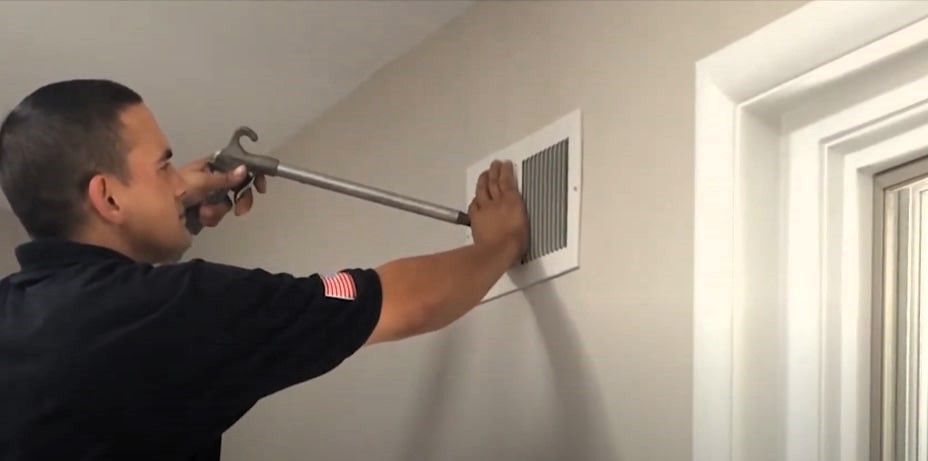
Professional air duct cleaning removes accumulated debris and contamination from surfaces inside the HVAC system when cleaning is warranted.
Neither replaces the other.
For most homeowners, regularly checking the HVAC filter is one of the simplest ongoing HVAC maintenance tasks you can perform.
Duct cleaning is something to consider based on the actual condition of the system—not simply because a certain number of months or years have passed.
Frequently Asked Questions About HVAC Filters
Can I vacuum an HVAC filter instead of replacing it?
If the filter is designed to be disposable, replace it rather than trying to vacuum and reuse it.
Washable or reusable filters should be maintained according to the manufacturer's instructions.
Can I put two filters in my HVAC system?
Don't add additional filters unless the HVAC system is specifically designed for that configuration. Adding filters can increase resistance to airflow.
Are expensive filters always better?
No. Price doesn't tell you whether a filter is appropriate for your particular HVAC system. Consider filtration efficiency, filter construction, airflow requirements and manufacturer recommendations.
Why is my new filter already gray?
A filter changes appearance as it captures particles. How quickly that happens varies considerably between homes. Inspect it regularly rather than assuming a particular color means it has reached a precise replacement interval.
Do I need professional help to change my HVAC filter?
Most standard residential filters are designed to be replaced by the homeowner.
If you can't locate the filter, can't access it safely or have a more complicated filtration system, consult your HVAC documentation or an HVAC professional.
Should I change the filter after air duct cleaning?
If an existing filter is dirty, replacing it after the system has been cleaned can make sense. Your duct-cleaning technician can also show you the condition of the existing filter.
What If There's a Lot of Dust in My Ductwork?
Some dust inside residential ductwork is normal.
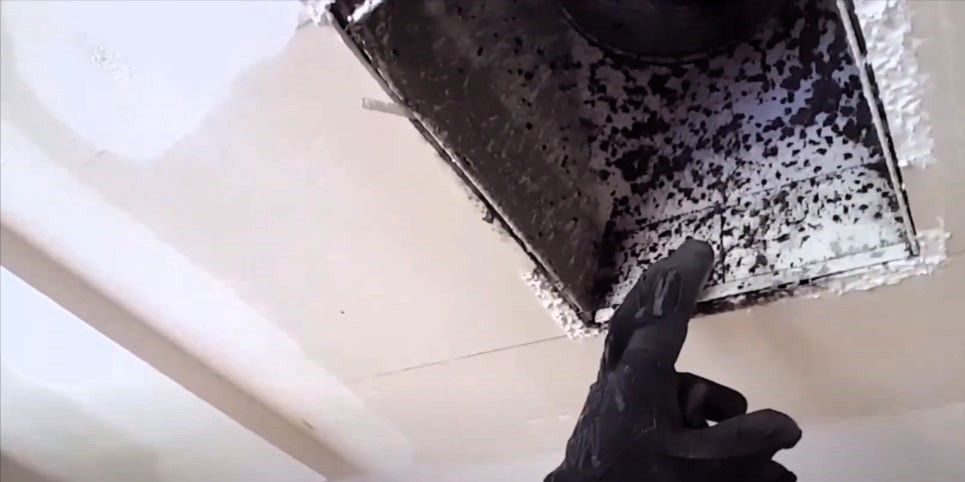
But if you can see substantial accumulated debris, have recently completed a dusty renovation or have another reason to believe significant contamination is present, it may be worth having the system evaluated.
We have been cleaning residential and commercial air ducts throughout Grand Rapids and West Michigan for more than 20 years.
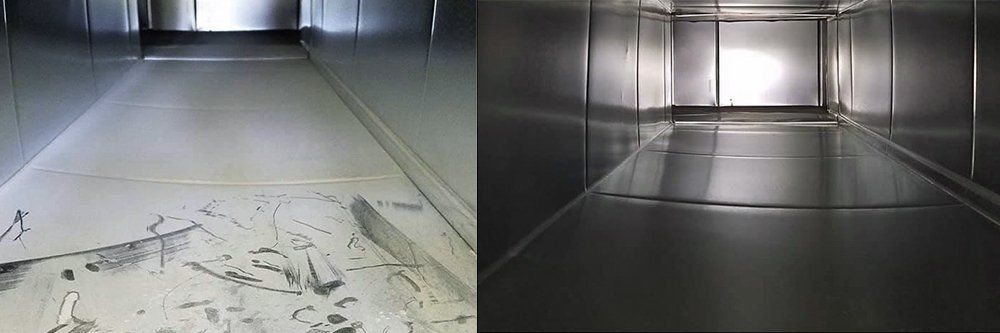
Our process cleans the supply and return sides of the system, individual duct runs, main trunks, plenums and accessible HVAC components included in the service. We also provide before-and-after photos so you can see the results.
[AIR DUCT CLEANING IN GRAND RAPIDS →]
Your Grand Rapids Duct Cleaners

Grand Rapids Duct Cleaners
You might also like